
Virginia's SNAP Soda Ban Misses the Bigger Nutrition Challenge
Written by Rick Barnard
November 9, 2026
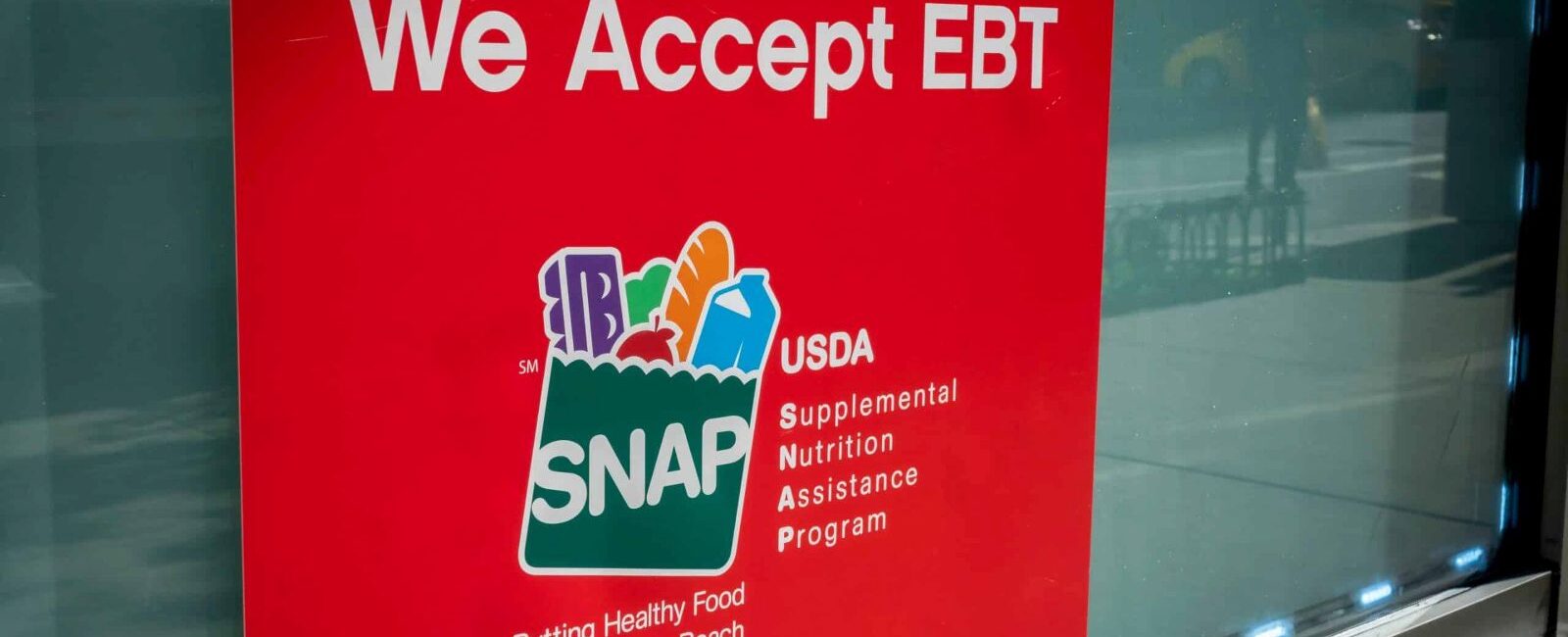
Virginia’s new restrictions on purchasing soda and other sweetened carbonated beverages with Supplemental Nutrition Assistance Program (SNAP) benefits, implemented Nov. 1, are intended to advance an important public health goal: Reduce excessive sugar consumption.
The health concerns behind this are well founded. Regular consumption of sugary beverages is associated with increased risks of obesity, Type 2 diabetes, and other chronic diseases. Helping children develop healthier dietary habits is especially important because food preferences established early on can influence health for life.
But reducing sugar consumption by restricting what families can buy with food assistance addresses only part of a much larger problem. A healthier future also depends on ensuring that families will be able to buy, prepare, and enjoy the foods that keep them healthy. That means increasing access to fresh fruits and vegetables, rewarding healthier choices, and investing in practical nutrition education that promotes behavioral change.
One promising way to improve nutrition is to make healthier foods more affordable by rewarding families for purchasing them. Our experience at Real Food for Kids reinforces an encouraging reality: Families want to eat healthier. In research we conducted with Arlington SNAP participants in collaboration with Virginia Commonwealth University, 94 percent wanted more fruits and vegetables for their households, and 93 percent supported financial incentives to purchase them.
Evidence suggests these incentives can make a meaningful difference. USDA’s Healthy Incentives Pilot found that participants receiving a 30-cent incentive for every SNAP dollar spent on eligible produce consumed approximately 26 percent more targeted fruits and vegetables than participants without the incentive.
Imagine building on that success by encouraging families to purchase more nutritious foods while also reducing their consumption of sugary beverages.
Three years ago, we proposed a demonstration comparing traditional SNAP benefits, produce incentives, and an approach making those incentives contingent on avoiding sugar-sweetened beverage purchases with SNAP funds. This voluntary model would reward healthier purchasing decisions while preserving consumer choice. This approach offers an opportunity to evaluate which combination of incentives and restrictions results in the greatest nutritional benefits for SNAP households.
The goal is straightforward: Make healthier choices easier, more affordable, and more rewarding. But purchasing power alone does not necessarily translate into healthier eating. Families also benefit from practical knowledge: where to find affordable produce, how to store it to minimize waste, how to prepare simple meals, and how to introduce unfamiliar foods to children.
This is why food access and nutrition education are most powerful when they work together.
Through Real Food for Kids’ Fresh Food Explorers program, for example, established in 2019 and now in its 35th classroom, preschoolers discover where food comes from, explore unfamiliar fruits and vegetables, and participate in hands-on preparation and tasting activities. Fresh produce goes home so families can continue those experiences together. We have seen what happens when a child tastes a vegetable for the first time, discovers they enjoy it, and asks to have it again at home. A classroom experience becomes a family conversation, a new grocery purchase and potentially a lasting food preference.
SNAP helps families afford food today. Nutrition education helps them develop the knowledge, confidence, and skills to make healthier choices over time. Together, they create opportunities for lasting nutrition security.
In fact, excessive consumption of sugary beverages is a public health concern across income levels, not one unique to families receiving food assistance.
A USDA study of grocery purchases found that soft drinks were one of the largest individual food items by spending across all households studied. SNAP and non-SNAP households have similar purchasing behaviors. Improving nutrition should therefore be a shared national priority, with strategies that reach families across income levels.
Virginia’s SNAP restrictions offer an opportunity to think more broadly about improving health. We can evaluate changes in overall added-sugar consumption, encourage greater fruit and vegetable intake, expand access to affordable nutritious foods, and help children develop healthier habits early in life. Together, these approaches offer the possibility of greater impact than any single intervention.
We have learned that the most meaningful measure of nutrition policy is whether children and families have greater opportunities to eat well, develop healthy habits, and thrive. A healthier food future starts when we make nutritious food affordable, familiar, and enjoyable — for every family.
Rick Barnard is co-founder and director for Real Food for Kids, a nonprofit dedicated to improving health outcomes for children and families in the DMV through access to real whole foods, impactful nutrition education, and local/systemic policy changes.